






Let’s review the latest foreign trade new regulations in November. A wave of new trade policies has swept across global markets. The United States rolled out targeted port charges, China introduced revolutionary changes to customs declaration rules, and Southeast Asia tightened rules of origin.
These landmark policies will directly push up shipping costs, raise compliance risks and reshape global market layouts. If foreign trade practitioners fail to follow the updates and make advance preparations immediately, they will easily lose market opportunities!
Asia Region

China: Preferential Tax Policies & Optimized Customs Supervision
- Preferential Tax Policies
- Stamp duty exemption for enterprise restructuring and reorganization: Starting from October 1, the restriction only applicable to state-owned enterprises has been lifted. Private enterprises can equally enjoy stamp duty relief on restructuring and reorganization.
- Zero-tariff treatment for least developed countries: 100% tariff lines of products from diplomatic least developed countries will enjoy zero tariffs.
- Optimized Customs Supervision The General Administration of Customs revised the Administrative Penalty Discretion Benchmarks and added a first offense exemption list, offering leniency for first violations within the same inspection and quarantine sector within 24 months.
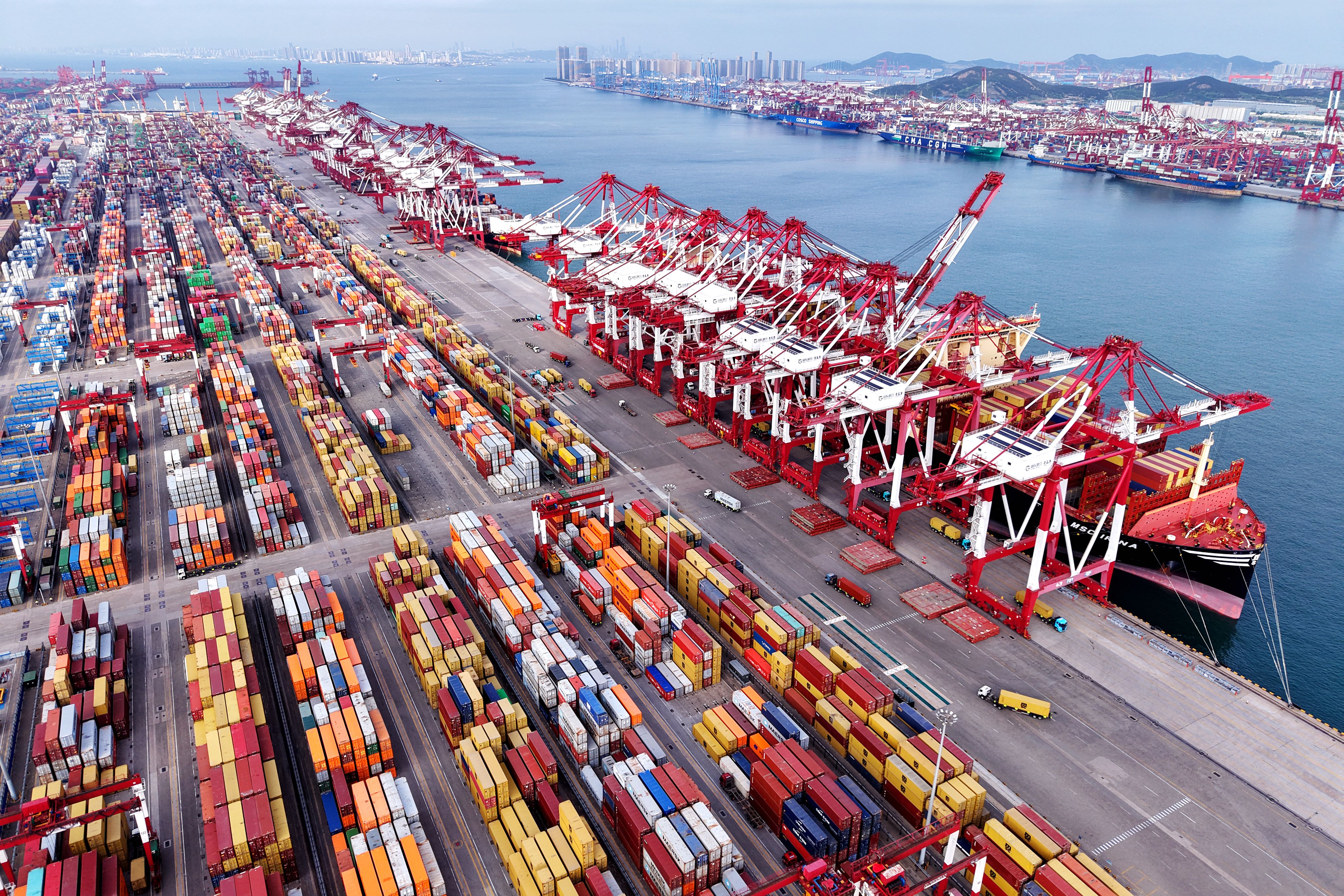
The era of document buying customs declaration officially ends on October 1
From October 1, 2025, the State Taxation Administration mandates formal export procedures for all cross-border outbound businesses. The era of document-buying customs declaration is coming to an end.
- Mandatory real-name declaration: Export customs declarations must state the actual exporter’s full name and complete cargo value. Using irrelevant company titles is prohibited.
- Liability transfer: If declarations are untrue, the export agent shall bear all tax liabilities and legal consequences.
- Data synchronization requirement: When filing provisional tax returns, export agents must submit basic information of the actual consignor and corresponding export amount.

United States: New port charges take effect; 100% drug tariffs fully enforced
New port charge policy officially launched on October 14
- For Chinese shipowners and operators: Port dues are charged based on net tonnage of vessels, starting at USD 50 per net ton in 2025, rising year by year to USD 140 per net ton by 2028.
- For China-built vessels (non-Chinese shipowners): Charged at the higher rate between USD 18 per net ton or USD 120 per container.
- For non-US built car carriers: USD 150 per vehicle.
Tariffs on pharmaceuticals, heavy trucks and furniture take full effect on October 1
- Branded or patented medicines: 100% import tariff (exemption only for factories built and operational in the US).
- Imported heavy-duty trucks: 25% tariff.
- Kitchen cabinets, bathroom vanities and related building materials: 50% tariff.
- Upholstered furniture: 30% tariff.
- Small and medium importers with annual import volume below 50 tonnes are exempted from filing reports.
- Non-EU enterprises can directly upload emission data via the official CBAM platform.
- Formal payment obligations will take effect from 2026; currently only quarterly emission reports are requiredTaxation a....
EU CBAM Mechanism: Simplified transitional procedures; formal taxation starting in 2026
The EU launched simplified measures starting in October:
- Small and medium importers with annual import volume below 50 tonnes are exempted from filing reports.
- Non-EU enterprises can directly upload emission data via the official CBAM platform.
- Formal payment obligations will take effect from 2026; currently only quarterly emission reports are requiredTaxation a。
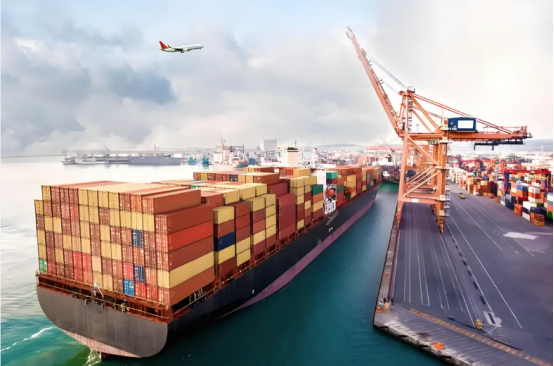
EU CBAM Mechanism: Simplified transitional procedures; formal taxation starting in 2026
The EU launched simplified measures starting in October: